Unlocking Raw Texture: The Real-World Power of Grunge Photoshop Brushes
There is something undeniably satisfying about the moment a clean, sterile digital canvas suddenly gains a soul. We have all been there: staring at a vector illustration or a sleek photo manipulation that feels just a little too perfect. It lacks history. It lacks grit. This is exactly where Grunge Photoshop Brushes step in to save the day. It is really tempting to just dive into all the different brush types there are and what tasks they're used for. You will get plenty of opinions here and they will probably all be correct, but the truth lies in how you apply them to your specific workflow.
At their core, these tools are digital stamps of imperfection. They simulate the chaos of the physical world—splattered ink, worn concrete, scratched film, and distressed paper. But calling them merely "textures" does a disservice to their versatility. When you integrate them correctly, they become the bridge between the polished digital realm and the tactile reality we live in. Whether you are a seasoned graphic designer or a hobbyist looking to spice up a personal project, understanding the nuance of these brushes can transform your output from good to unforgettable.
More Than Just Dirt: Understanding the Variety
When you first open a massive collection of grunge assets, the sheer volume can be overwhelming. However, not every splatter serves the same purpose. Striking brush qualities ranging from shape and length to thickness and stiffness dictate how the tool behaves on your layer. A soft, dusty brush might be perfect for adding a subtle haze to a vintage portrait, while a hard, jagged stroke is better suited for creating a torn-edge effect on a concert poster.
Consider the difference between a "noise" brush and a "stamp" brush. Noise brushes are often used to overlay a fine grain across an entire composition, mimicking high ISO film or old print stock. They are subtle workhorses that unify disparate elements. On the other hand, stamp brushes are bold statements. They add specific details like coffee rings, tape marks, or heavy ink bleeds. Knowing which one to reach for depends entirely on the story you are trying to tell. If you want your audience to feel the roughness of a street punk flyer, you need those heavy, opaque stamps. If you are aiming for a nostalgic, faded memory, the lighter, translucent options are your best friends.
Real-World Applications Across Industries
The utility of these tools extends far beyond the typical rock band merchandise they are famous for. Let's look at how different industries leverage this aesthetic to solve real problems.
Branding and Packaging
In the world of craft beverages and artisanal foods, perfection often signals mass production. Brands want to convey authenticity and handcrafted quality. By applying grunge textures to label designs, companies can instantly evoke a sense of heritage and ruggedness. Imagine a cold brew coffee brand; a smooth, gradient background feels corporate. Add some subtle paper grain and a few ink splatters using Grunge Photoshop Brushes, and suddenly the package feels like it was printed in a small batch down the street. It builds an emotional connection before the customer even reads the ingredients.
Web Design and UI
While modern web design often leans towards flat, clean interfaces, there is a growing trend toward "neo-brutalism" and textured depth. Using grunge elements sparingly in website headers or background sections can break the monotony of white space. It adds character without sacrificing readability. For example, a portfolio site for a photographer might use a faint scratch overlay to make the digital gallery feel like a physical photo album. It creates a cohesive coolness that keeps users engaged longer than a sterile template ever could.
Concept Art and Entertainment
For concept artists working on video games or films, speed and atmosphere are everything. These lovely brushes, each designed to elevate your concept art preferably in huge prints likely Poster to mini add as well, are indispensable for rapid prototyping. An artist can block out a dystopian cityscape in minutes by stamping in decay, rust, and weathering. Instead of painting every crack in the pavement manually, a few strategic strokes provide the illusion of complex detail. This allows creators to focus on composition and lighting while the brushes handle the surface narrative.
Building Your Library and Workflow Efficiency
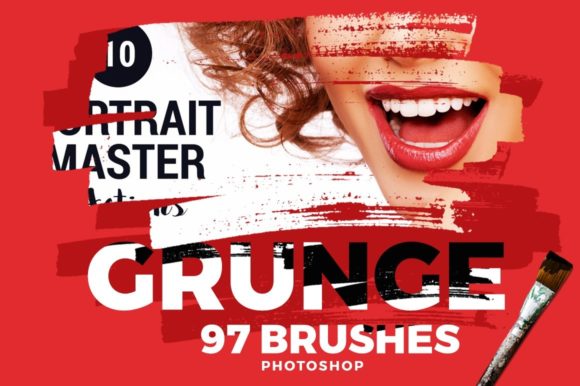
One of the biggest hurdles for creatives is asset management. You don't want to waste ten minutes searching for the right splatter when inspiration strikes. This is why curating your toolkit is essential. Instantly build a huge brushes library with this beautiful collection of photoshop brushes, but organize it intelligently. Group them by function: "Edges," "Overlays," "Stains," and "Typography."
This organization will help you find the right brushes for the task in hand quickly. When you are in the flow state, friction is the enemy. Having a dedicated folder for high-resolution grunge assets means you can drag, drop, and mask without breaking your creative rhythm. Furthermore, these tools are ideal for a variety of Projects. They make a great addition to menu design to stationery to websites and much more. A restaurant menu printed on textured cardstock looks infinitely more premium with a subtle distress overlay than one printed on glossy, flat paper.
Practical Considerations Before You Start
Before you start slapping textures onto every layer, there are a few things you should take into account when you're deciding which brush to use. The most common mistake is overuse. Grunge is powerful because it contrasts with cleanliness. If your entire design is noisy, nothing stands out. Use these elements to guide the eye, not to clutter the view.
Resolution is another critical factor. If you plan to print your work, ensure your brushes are high-resolution. A pixelated grunge texture looks like a mistake, not a style choice. Many premium collections offer vectors or high-DPI rasters specifically for large-format printing, ensuring that your posters look crisp even up close. Additionally, consider your blending modes. Simply placing a black grunge brush on a white background is effective, but experimenting with "Multiply," "Overlay," or "Soft Light" can integrate the texture seamlessly into the colors beneath it, making it look like part of the original substrate rather than a sticker placed on top.
It is also worth noting the psychological impact of your choices. Heavy, dark grunge conveys aggression, age, or danger. Light, airy distress suggests nostalgia, warmth, or fragility. Align your brush selection with the emotional tone of your project. A wedding invitation might benefit from a very subtle paper grain to feel organic, whereas a horror movie poster demands visceral, chaotic splatters.
Elevating Your Creative Voice
Ultimately, tools are just extensions of your intent. Grunge Photoshop Brushes are not a magic fix for bad design, but they are a potent accelerator for good design. They allow you to inject humanity into the digital space. In an era where AI can generate flawless images in seconds, the intentional imperfection of grunge becomes a marker of human curation. It says, "This was made with thought and touch."
Easily add a real cohesive look to any type of project with these Photoshop designs. Whether you are designing a limited-edition sneaker box, a social media campaign for a music festival, or a personal zine, the right texture can tie all the visual elements together. It creates a unified language across your deliverables. When your business card, website, and packaging all share the same textural DNA, your brand feels established and trustworthy.
So, the next time you feel your design is lacking that certain je ne sais quoi, resist the urge to add more colors or complex shapes. Instead, reach for the grunge. Experiment with opacity, play with blending modes, and let the imperfections tell the story. With the right collection at your fingertips, you can turn a flat idea into a textured reality that resonates with your audience on a deeper, more tactile level.