Mastering Digital Texture: A Guide to the Ink Brush Collection and Watercolor Brushes
The transition from traditional media to digital design has revolutionized how creators produce visual content, yet the demand for organic, hand-crafted aesthetics remains higher than ever. At the heart of this digital renaissance lies the Ink Brush Collection paired with versatile Watercolor Brushes. These tools bridge the gap between the tactile feel of physical paint and the flexibility of modern software. Whether you are a professional graphic designer, a hobbyist crafter, or a business owner looking to elevate your brand identity, understanding the utility and versatility of these assets is essential for creating compelling visual narratives.
This comprehensive guide explores the multifaceted nature of these brush sets, delving into their file formats, software compatibility, practical applications across various industries, and the strategic advantages they offer in a crowded digital landscape.
The Power of Versatile File Formats
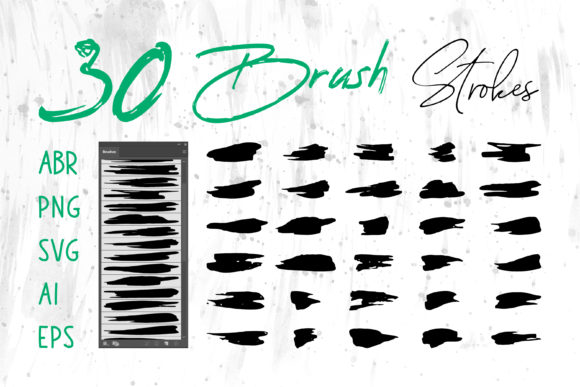
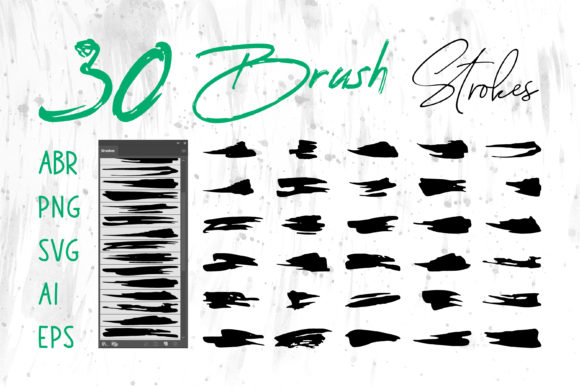
One of the most significant hurdles designers face when integrating textured elements into their workflow is file compatibility. A robust Ink Brush Collection and Watercolor Brushes set distinguishes itself by providing a comprehensive suite of file types. When you acquire a premium collection, you are not just getting a single file type; you are receiving a toolkit designed for universal interoperability.
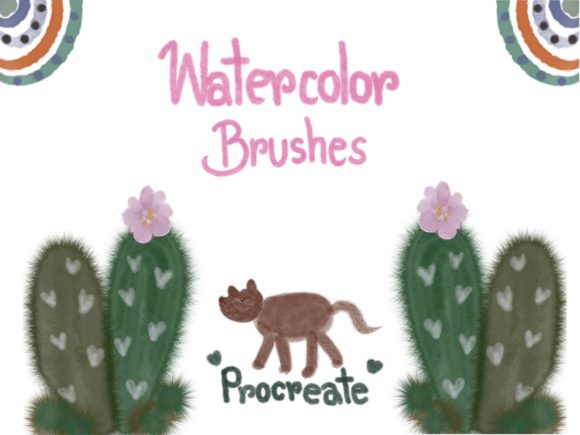
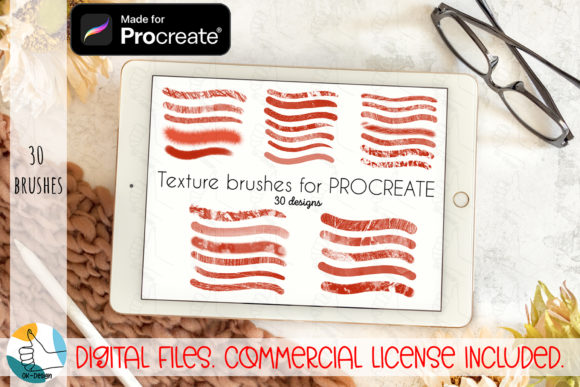
The inclusion of .ABR files ensures seamless integration with Adobe Photoshop, allowing artists to paint directly onto canvases with dynamic pressure sensitivity and texture variation. For those working within the Apple ecosystem or on iPads, ProCreate brushes offer an intuitive, touch-optimized experience that mimics the flow of real ink on paper. However, the utility extends far beyond raster-based painting.
Vector formats such as .AI, .EPS, and .SVG are critical for scalability. Unlike pixel-based images, vector brush strokes can be resized infinitely without losing quality, making them indispensable for large-format printing like billboards or tiny details like logo icons. Furthermore, the inclusion of high-resolution PNG files provides ready-to-use graphics with transparent backgrounds, perfect for quick composition in software that may not support native brush engines. Even standard office software like MS Word and MS PowerPoint benefits from these formats, allowing educators and corporate presenters to add a unique, artistic flair to documents and slides that standard clip art cannot match.
Applications Across Creative Industries
The true value of an Ink Brush Collection and Watercolor Brushes is realized in their application. These tools are not limited to fine art; they serve as foundational elements in commercial design, branding, and personal projects.
Branding and Logo Design
In an era where minimalism often dominates, brands are increasingly seeking ways to stand out through authenticity. Using watercolor textures and ink strokes in logo design conveys a sense of humanity and craftsmanship. A coffee shop might use a rough ink brush stroke to suggest artisanal quality, while a children's boutique could utilize soft watercolor washes to evoke warmth and playfulness. The ability to manipulate these strokes in Adobe Illustrator allows designers to create custom logotypes that feel hand-lettered yet remain technically precise.
Packaging and Product Design
Packaging is the first physical touchpoint between a consumer and a product. Utilizing Watercolor Brushes on packaging designs can differentiate a product on crowded shelves. Organic skincare lines often employ these textures to highlight natural ingredients, while craft beer labels frequently use bold ink splatters to communicate energy and tradition. The high-resolution outputs ensure that these textures print crisply on various materials, from matte cardboard to glossy labels.
Digital Media and Web Design
The digital realm also benefits immensely from these assets. Website headers, social media banners, and digital advertisements often suffer from a "sterile" look when created solely with geometric shapes and solid colors. Integrating ink brush elements adds depth and emotional resonance. A travel blog might use watercolor maps as background elements, while a fitness app could use dynamic ink splashes to represent movement and intensity. These graphics help break up text-heavy layouts and guide the user's eye through the interface.
Print Media and Publishing
For book covers, editorial illustrations, and greeting cards, the Ink Brush Collection offers a timeless appeal. Authors and publishers use these textures to set the tone of a narrative before a single word is read. A mystery novel might feature dark, jagged ink strokes, whereas a poetry collection could benefit from delicate, bleeding watercolor edges. Similarly, in the realm of digital scrapbooking and card making, these brushes allow hobbyists to create personalized, memory-keeping layouts that rival professional stationery.
Workflow Integration and Technical Considerations
Implementing these brushes into a professional workflow requires an understanding of how different software handles texture and layers. While the files are designed to be user-friendly, maximizing their potential involves specific techniques.
When working in Adobe Photoshop with .ABR files, designers should leverage layer blending modes. Multiplying ink strokes over a textured paper background can create a highly realistic effect, while using "Screen" or "Overlay" with watercolor elements can add luminous highlights. In Adobe Illustrator, converting raster brush strokes into vector paths (via Image Trace) allows for complete control over anchor points, enabling the modification of the stroke's shape while retaining its textured appearance. This hybrid approach—combining the organic look of raster with the editability of vectors—is a hallmark of advanced digital design.
For users of ProCreate, the focus shifts to gesture and pressure. The digital brushes in this format are often calibrated to respond to tilt and speed, replicating the behavior of a real sable brush or a dip pen. This makes the iPad a powerful standalone studio for concept art and illustration. Meanwhile, for non-designers using MS PowerPoint or Word, the PNG and SVG files act as drag-and-drop assets. This democratization of design tools means that teachers can create engaging lesson visuals, and small business owners can design their own marketing materials without needing a steep learning curve in complex software.
Advantages of High-Quality Digital Brushes
Investing in a comprehensive collection offers several distinct advantages over creating textures from scratch or using low-quality free resources.
- Time Efficiency: Creating realistic watercolor bleeds or dry ink textures manually can take hours. Pre-made brushes allow designers to achieve these effects in seconds, significantly speeding up the production timeline.
- Consistency: A curated collection ensures that all brush strokes share a cohesive style. This is vital for branding projects where visual consistency across different mediums is required.
- Scalability: With vector formats included, designs can be adapted for anything from a business card to a building wrap without the need to recreate assets.
- Creative Flexibility: The variety of formats allows the same asset to be used in a video edit, a print brochure, and a website banner, ensuring a unified brand voice across all channels.
Considerations for Selection and Usage
While the benefits are clear, selecting the right Ink Brush Collection and Watercolor Brushes requires careful consideration of your specific needs. Not all brushes are created equal; some are optimized for high-resolution print, while others are designed specifically for screen display. It is crucial to verify the resolution of the raster files (PNG, ABR) to ensure they meet the DPI requirements of your intended output, typically 300 DPI for print and 72 DPI for web.
Additionally, understanding licensing terms is essential for commercial use. Professional collections usually come with licenses that permit use in client work, merchandise like T-shirts, and mass-produced packaging. Always review the documentation to ensure compliance, especially when using these assets for products that will be sold.
Furthermore, consider the stylistic match. An Ink Brush Collection might range from elegant, fine-line calligraphy to aggressive, grunge-style splatters. Matching the brush style to the project's emotional goal is key. A legal firm's annual report likely requires subtle, refined strokes, whereas a music festival poster demands bold, chaotic energy.
The Future of Textured Digital Design
As technology evolves, the line between physical and digital continues to blur. The demand for assets that provide a human touch in a digital world is unlikely to wane. The Ink Brush Collection and Watercolor Brushes represent more than just software tools; they are a testament to the enduring value of artistic expression. By mastering these tools and leveraging their diverse file formats, creators across all sectors—from educators crafting engaging presentations to designers launching global ad campaigns—can produce work that resonates on a deeper, more visceral level.
Whether you are designing a book cover, customizing a T-shirt, or building a social media presence, the strategic use of these brushes empowers you to tell your story with clarity, style, and impact. The accessibility of these tools today means that high-quality, textured design is no longer the exclusive domain of elite studios but is available to anyone willing to explore the creative possibilities they offer.